
A window tint company website should explain the work you actually offer, show genuine installations, give verifiable product information, identify where you work and make an appropriate quote request easy on a phone. Automotive tint, residential architectural film and commercial projects need separate customer paths, not one catch-all tint page.
This is a planning guide, not a promise of leads, rankings or AI citations. Second Gen Digital is based in Harbeson, Delaware. Cody's experience comes from his separate family window film business, Shore Tint & More / Delaware Window Film; that relationship is not an independent agency-client endorsement.
Start with three different customer questions
Only include the services you provide. If you do not tint vehicles, say architectural window film clearly and do not build an automotive quote path. If you offer all three, give each a useful service page and a clearly named route from the homepage.
| Customer path | Information the page needs |
|---|---|
| Automotive tint | Vehicle coverage, film options, shade information, existing-tint removal, appointment process and applicable local rules. |
| Residential architectural film | Room comfort, glare, privacy or decorative goals; real home projects; glass suitability; consultation and measurement process. |
| Commercial window film | Building use, solar control or privacy goals, project coordination, access constraints and the information needed for a site visit or specification review. |
Give each service page an actual job to do
- Automotive: explain what glass the quote covers, which film lines you genuinely install and what the customer should know before booking. Keep PPF and ceramic coating distinct if you offer them.
- Residential: organize around real problems such as hot rooms, screen glare or decorative privacy. Explain that recommendations depend on the existing glass and the customer's goals.
- Commercial: write for owners, property managers, facilities teams or contractors as appropriate. Describe walkthroughs, specification review, scheduling and how your team coordinates occupied spaces.
- Every service: include relevant work, the area served, useful questions and a next step specific to that service. Do not add a page just to repeat a keyword or town name.
Use genuine job photos with accurate captions
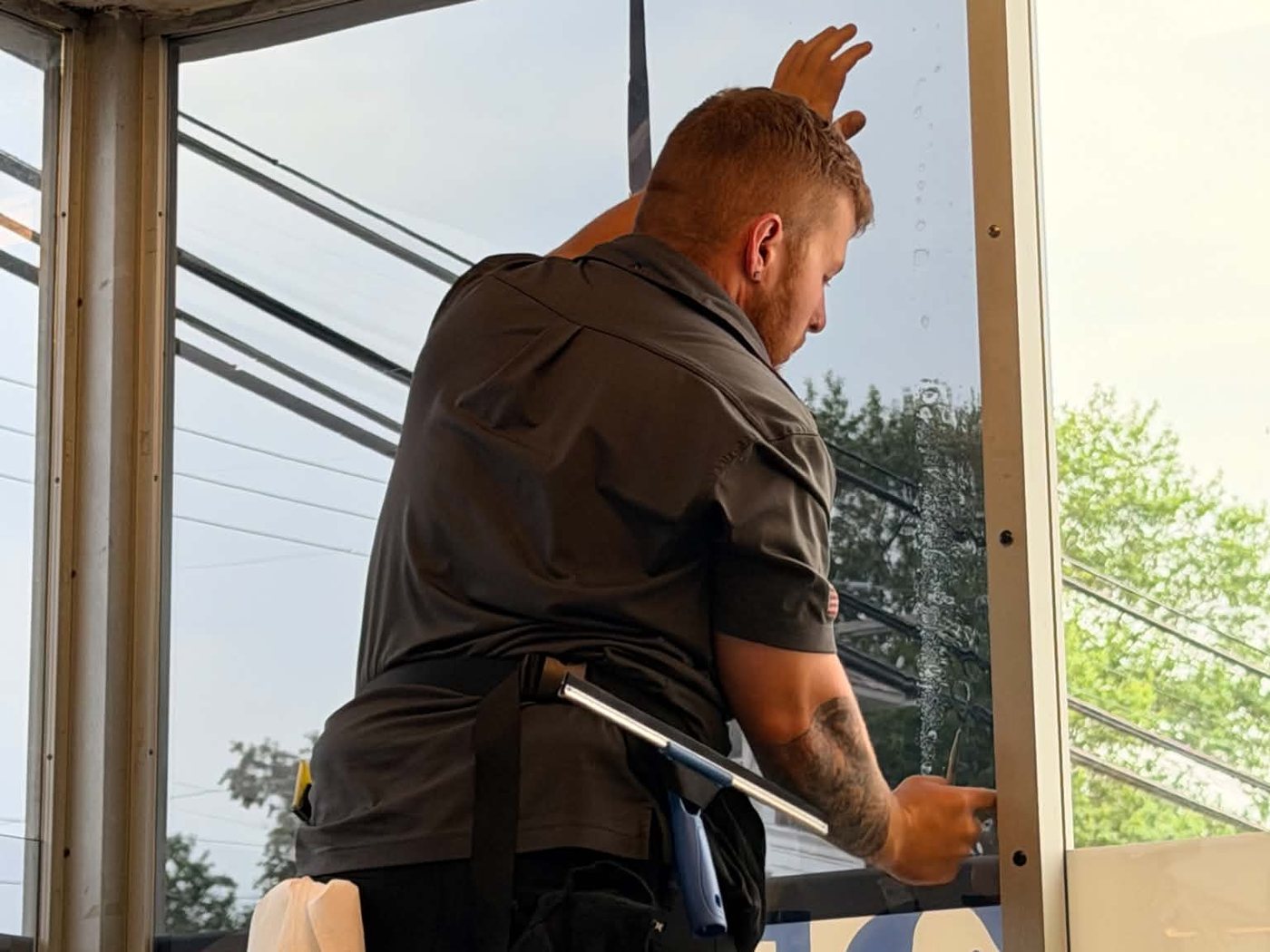
Show the actual vehicle, room, storefront or installation detail. With permission, caption the service, real project location and exact film only when those facts are documented. An agency website screenshot is evidence of a website design, not evidence that the agency installed the film.
For a phone gallery, choose clear wide views and useful close-ups, compress the files and keep captions readable without hovering. A viewer should be able to reach the service or quote link without opening a full-screen gallery. Do not use synthetic installations, borrowed customer photos or before-and-after pairs from different jobs.
Publish film facts you can verify
Name the manufacturer and product line you actually supply, and link the current manufacturer data sheet or warranty where available. Explain visible light transmission, heat-related measurements and warranty conditions using the exact product's published information; do not treat different test measures as interchangeable or invent universal percentages.
Dealer status, certifications and brand logos require current evidence and permission. Refer automotive tint-law questions to the relevant official jurisdiction source, rather than promising every shade is legal. For architectural film, have suitability reviewed for the actual glass. Do not promise universal one-way privacy, savings or ballistic protection. Safety/security claims require evidence for the exact glass, film, attachment and framing configuration.
Describe real service areas, not invented offices
Distinguish the shop customers can visit from towns where you travel to install architectural film. Publish a shop address only when it is a real customer-facing location, and explain consultation arrangements for mobile work. Serving a town does not make it a staffed office.
Use existing service-area pages when they answer a distinct practical question: travel coverage, on-site work, scheduling or a documented local project. A deep service explanation is more useful than dozens of near-identical city pages. Never relocate a photo or client project to support a town page.
Ask for enough to start a quote, not everything to finish it
Keep name and a preferred contact method easy to provide, then ask the minimum relevant project questions. Let people say they do not know the glass or product yet. Photos can help, but uploads should be optional, not a barrier to asking for help.
- Automotive request: vehicle year, make and model; which windows need tint; and whether old film needs removal. A product preference can be optional.
- Residential request: building or property location, the room or glass involved and the goal, such as glare or heat. Approximate window count or dimensions can be optional; final recommendations may require a visit.
- Commercial request: building location and use, project goal, the requester's role and any known timing or access constraints. Drawings, specifications, dimensions and photos can follow when needed.
- After the request: explain who follows up, through which channel and the realistic next step. Publish a response-time promise only if the team can meet it; a request is not a confirmed appointment or final price.
Make the phone journey and FAQs useful
Provide a tappable telephone link using the business's verified number, readable navigation, a service-specific quote action and a gallery that works with touch and keyboard. Check those on an actual phone-sized page, including after scrolling. A phone-link click is not proof that a call connected.
Write FAQs from real customer questions: what is included in vehicle coverage, whether existing film can be removed, how an architectural consultation works, what information is needed for commercial work and how warranty questions are handled. Answers should reflect the shop's actual process, not an invented policy or manufacturer guarantee.
Keep the website current after launch
“You update your Facebook, you update your Instagram, why aren’t you updating your website at the same time?”
Cody's advice is about keeping a useful website current, not treating it as a daily social feed. Some shops launch a site, then leave hours or contact details stale and stop adding real projects or useful blog updates. Keep hours, contact details and service information accurate whenever they change.
Periodically publish approved actual work with accurate photos and captions, and useful project notes or blog updates that answer customer questions. Choose a pace your shop can maintain; daily posting is not required, and publishing volume does not guarantee rankings. This is owner's advice, not a client testimonial.
Measure confirmed inquiries separately from clicks
A quote-button click, a form view and a tap-to-call are intent signals, not confirmed leads. Define a confirmed web inquiry only after the submission system acknowledges a successfully saved request. Track connected calls or qualified work separately only when the tools and consent arrangements support that evidence.
Test notification delivery and the team's follow-up process separately from form storage. A request can be saved even if the notification email fails. Do not claim working CRM automation or delivered leads because a form appears on the screen. Review tracking with the site's actual privacy and consent requirements; this guide does not change your integrations.
Real examples to inspect, with the relationships disclosed
Xtreme Shades is an independent client in Smithfield, North Carolina. Its live homepage separates automotive tint, residential film and commercial film, links those service pages and shows an install-bay gallery. Those are observable website features, not a claim about measured lead growth or an agency film-brand certification.
Shore Tint & More / Delaware Window Film is Cody's family contractor business, not an independent agency client. Its current homepage separates homes and commercial work and presents architectural project stories. Use it as a disclosed architectural example, not as an automotive shop or as evidence that family-business reviews belong to Second Gen Digital.
Window tint website project-planning checklist
- List the automotive, residential and commercial services you actually offer, and name the buyer for each.
- Gather approved original photos with service, location and product notes; separate your installations from website screenshots.
- Collect current product sheets, warranty wording and evidence for any dealer or certification claim.
- Confirm your real shop details, travel coverage, phone number and the person responsible for follow-up.
- Choose the minimum questions for each quote path, with optional photo uploads and a clear next step.
- Inventory the existing domain, important URLs, forms and integrations before a redesign; share account access securely, not in an inquiry message.
- Agree the written scope, copy and photography responsibilities, third-party fees, launch checks and ongoing care before work begins.
- Check phone readability, working links, form storage and notifications separately; choose lead measures that can actually be confirmed.
Want this handled instead of homework?
Tell us what your business needs. We agree the website work and any ongoing services in a tailored written quote for your business across Delaware & Delmarva.
Request a free consultation